By Aidan Mortensen | KOAL News
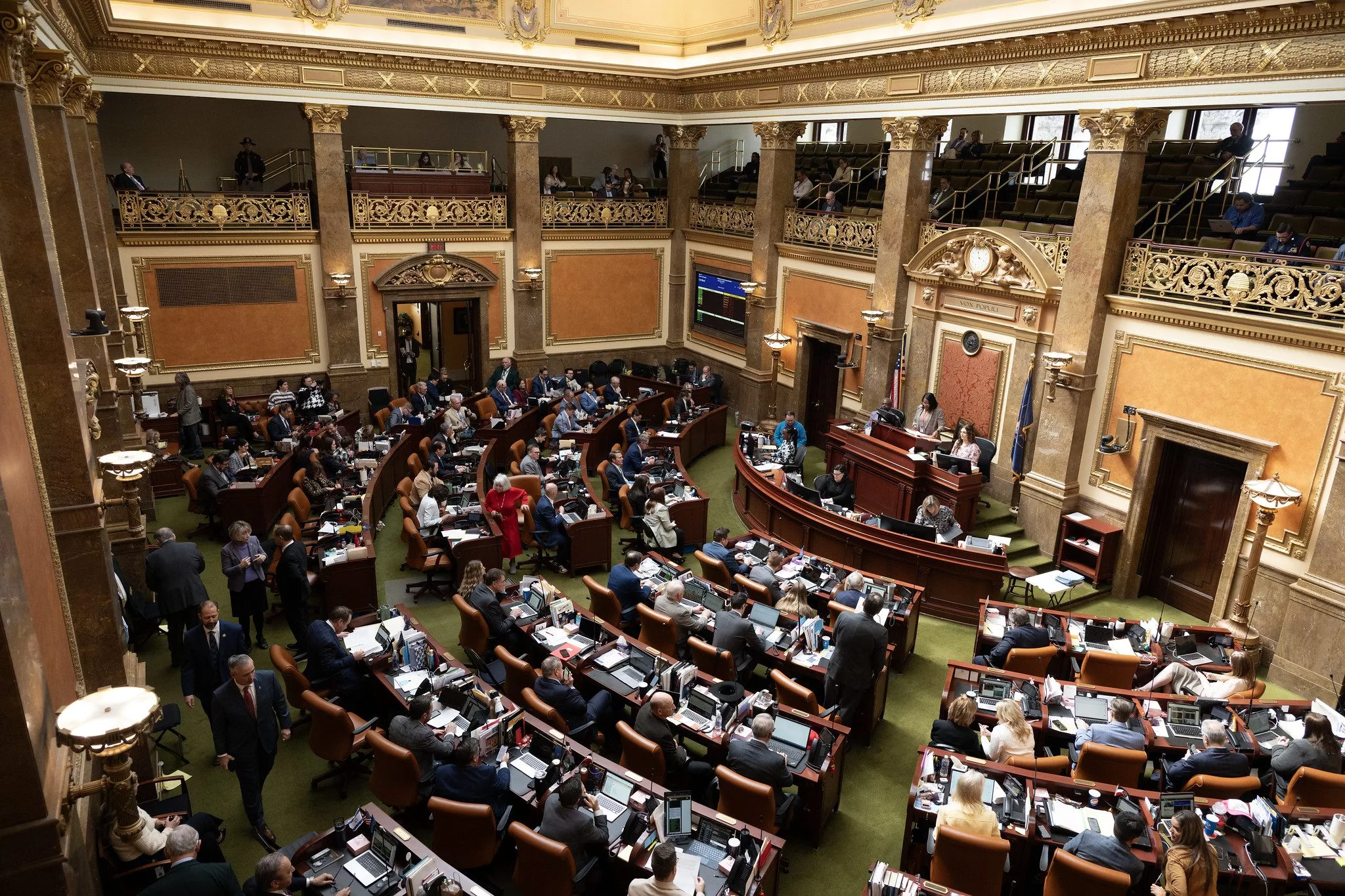
The start of the new year means several bills passed during the 2025 legislative session will now become law, including two dealing with beverages, both alcoholic and nonalcoholic.
Starting with the nonalcoholic side of things, HB403 – which was introduced by Rep. Kristen Chevrier (R-Salt Lake City) – prohibits the use of Supplemental Nutrition Assistance Program funds for the purchase of soft drinks. This was the first such bill passed across the country.
Rep. Chevrier criticized the use of SNAP funds to purchase soda during the bill’s introduction, calling it “not the proper use of our tax dollars!”
The bill defines soft drinks as ” a nonalcoholic beverage that is made with carbonated water and that is flavored and sweetened with sugar or artificial sweeteners.” This definition, however, does not impact the ability to purchase a “beverage that contains milk, milk products, soy, rice, or other milk substitutes, or that is greater than 50% vegetable or fruit juice by volume.”
This bill drew the support of U.S. Secretary of Health Robert Kennedy, who held a news conference in Utah to celebrate HB403, among other bills, that align with his “Make America Healthy Again” initiative.
Moving to the alcoholic side of things, HB437 requires customers of all ages seeking to purchase an alcoholic beverage at a liquor store, bars and restaurants to provide identification regardless of how old they appear. This deviates from the previous guidelines, which required ID if you appeared under 35.
It also prohibits individuals convicted of an “extreme DUI” from purchasing alcohol for a period of time, providing them with a unique driver’s license to show they are prohibited from buying alcohol.
Utah state code 41-6a-501 defines an extreme DUI as an individual who,” had a blood or breath alcohol level of .16 or higher; had a blood or breath alcohol level of .05 or higher in addition to any measurable controlled substance; or had a combination of two or more controlled substances in the individual’s body that were not: recommended in accordance with Title 26B, Chapter 4, Part 2, Cannabinoid Research and Medical Cannabis; or prescribed.”