
By Aidan Mortensen | KOAL News
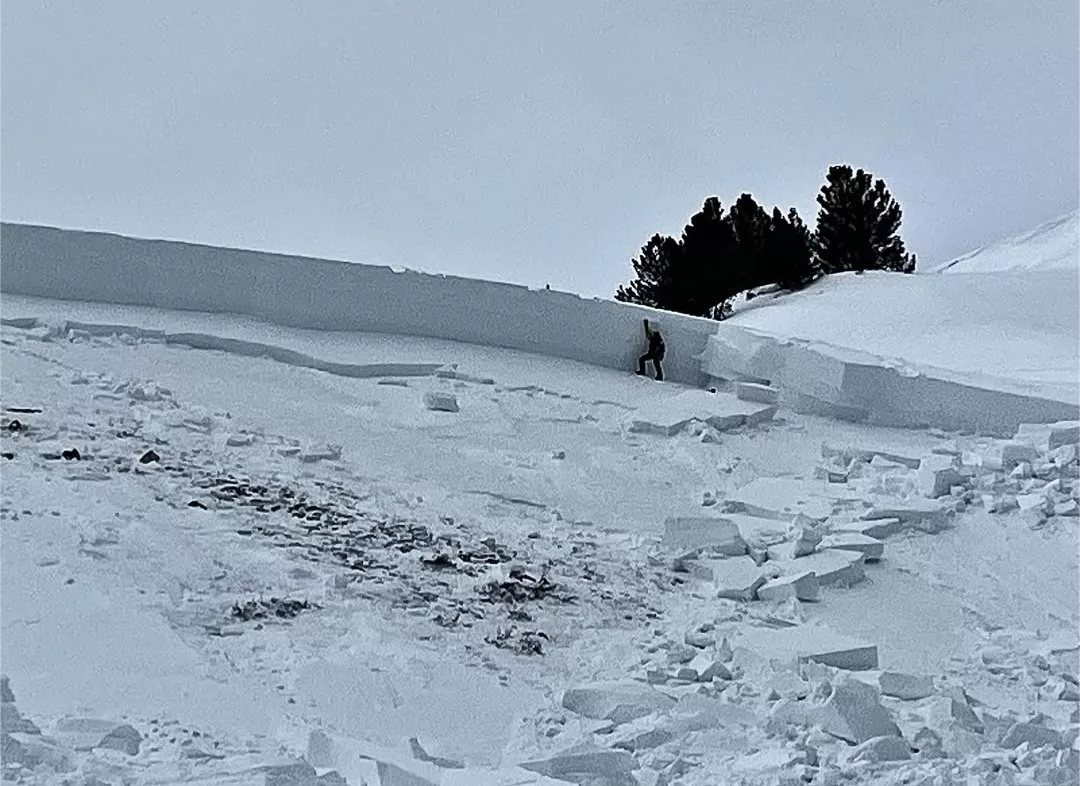
As abnormal conditions continue to impact Utah, the mountain ranges remain in moderate to considerable avalanche danger. Along the Manti Skyline, early-season problems persist, with avalanche danger at a considerable level.
To provide this weekend’s avalanche forecast, Brett Kobernik from the Utah Avalanche Center joined the KOAL newsroom for an expert look at the matter.
Opening our discussion, Kobernik spoke on how current conditions are potentially signaling an end to the avalanche season,” The low elevations and the mid-elevations have very little snow. Numerous periods of warm temperatures this year and just recently have really taken a hit on the snow that is up there, and creek bottoms are open, and it really feels like mid to late April to me up there.”
Although a snowstorm is expected as the weekend arrives, Kobernik predicts that, given current weather patterns, another major snowfall isn’t likely. “This snowstorm that we’re just seeing here at the tail end of the week … It’s not a big storm whatsoever. It is bringing a little bit of snow, but then it looks like I’m not seeing any significant storms over the next couple of weeks.”
He continued,” That’s about the extent of our model runs that we pay attention to. And, of course, things are subject to change as conditions change those models. They don’t always predict things 100% correctly, especially for the two-week time period. But it looks dry to me, and I’m not anticipating much more snow after this storm.”
Looking ahead to the weekend, Kobernik delivered this week’s avalanche forecast: “First off, this snowstorm that we’re getting right now, it’s really not influencing the avalanche conditions a whole lot. It’s not adding a whole ton of weight, and we’re not going to get that much snow out of it. So that is a factor that’s not really affecting things. What’s affecting things is this loose, sugary snow that formed during the really long dry spell in January. And that snow remains weak underneath the snow that we received in February.”
The avalanche expert added,” So about a foot and a half down from the snow surface, and this is in the higher elevations mostly at this point, but about a foot and a half below the snow surface, there’s loose, sugary snow, and that’s still prone to collapsing. And if someone gets up on a steep enough slope in those higher elevations of the northerly facing terrain, you can still penetrate through February snow into that weak, sugary snow and trigger a slab avalanche. So it’s really the early season stuff that’s still causing these conditions to still be elevated, these dangerous conditions still exist.”
As for those looking to get out and experience the high country, Kobernik warned that conditions for recreation aren’t ideal,” unfortunately, the conditions are getting, to be frank, pretty poor conditions up there right now. We are only seeing, really, that accessibility is the big problem up there. The mid-elevations, like I was saying, have very little snow, and the creeks are all open. So it’s very difficult to travel through a lot of the canyons that we’re normally traveling through at this time of the season. At this time of year, we generally have a deep, deepest snowpack, like we usually do in March, and we can basically travel anywhere. That’s not the case right now. So you’re really limited to going to the highest elevations to do any recreating up there right now.”
As for the strange winter conditions, Kobernik explained that he had never experienced a winter like this before. “This is a real anomaly. I have not seen anything like this in the 10 years that I’ve been on the Manti Skyline. Twenty some odd years with the Utah Avalanche Center, I’ve never seen something like this across the state.”
“This storm that’s just moving through is not going to affect the avalanche conditions a whole lot, but we still have dangerous conditions. We are rating the danger in the upper elevations as considerable,” closed Kobernik. “Human-triggered avalanches are likely up in those higher elevations, northerly-facing slopes. So be aware of that if you’re going to go out there this weekend.”
To stay up to date with avalanche conditions along the Manti Skyline or other mountain ranges across the state, visit utahavalanchecenter.org.