
By Aidan Mortensen | KOAL News | File photo
Gov. Spencer Cox signaled support during his monthly news conference Thursday for local solar land-use ordinances. However, the Governor also spoke against an outright ban on such projects.
“Again, we are an all-of-the-above state. We need more energy. If anything, what we’re seeing with Iran and the price of oil right now, this should just drive home everything that we’ve been saying for years now, and that is that we need more energy, more of all of it,” said Cox, adding that he did not care how the energy is produced.
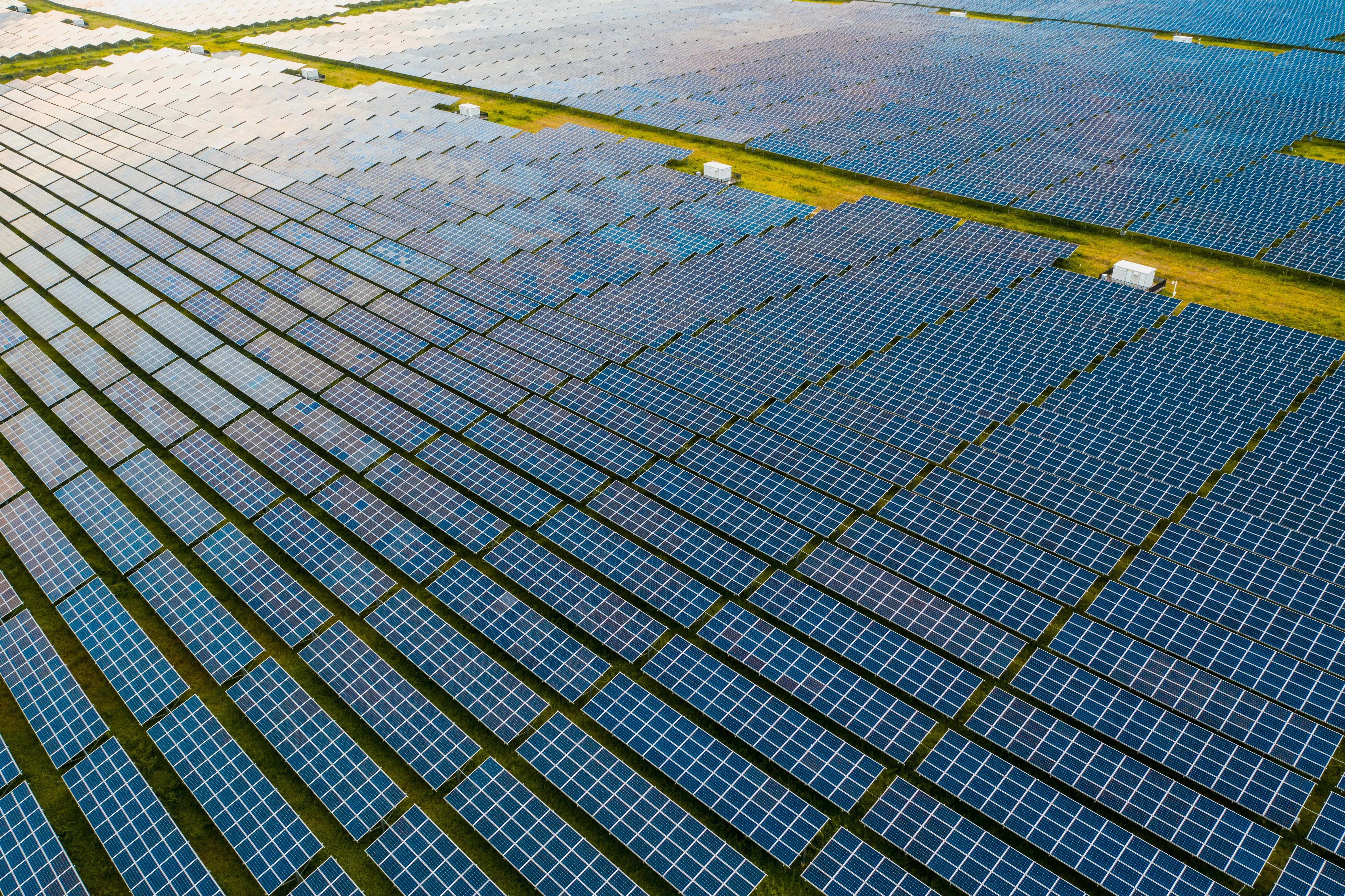
In Emery County, utility-scale solar projects have become a hot topic of conversation among both citizens and government officials. At a Jan. 20 meeting of the Emery County Commission, citizens gathered to share concerns about the increasing number of projects in the area.
One proposal from the meeting was a pause on new utility-scale solar and battery plants seeking conditional use permits while the county develops clear, permanent standards for the projects.
“This is not about stopping solar, but getting it where it happens right,” expressed Derri Jewkes during the meeting, “When solar land is outpacing current codes, maybe we need to look at updating our codes.”
Following that meeting, the Commission has made steps to implement such an ordinance. In a March 3 meeting of the body, the Commissioners examined the matter again before opting to send the proposal to the Planning and Zoning Commission for public comment and recommendation.
In a previous conversation with Castle Country Radio, Emery County Commissioner Jordan Leonard discussed the proposed ordinance, noting that it is a tightrope walk for the county to act in the public’s interest while also protecting private property rights.
“I think that we definitely want to protect private property rights. Still, we also understand that there are a lot of citizens who have had enough of solar,” said the Commissioner. “We do have solar companies pushing pretty hard on Emery County, trying to get solar projects here. They are working with local landowners. There was a conversation in meetings about a potential solar project looking at going on SITLA land. I know that got some pushback. We’re going to have some public meetings. We’re going to have more discussions, make sure that we do the right thing for the community, and we get some good input.”
On a state level, the 2026 general legislative session saw Rep. Jack Collin (R-St. George) and Sen. David Hinkins (R-Orangeville) successfully pass HB16, a bill would make solar projects ineligible for state incentives if the planned location produces more than 250 pounds of vegetative matter per acre in a normal year.
The bill passed both the House and Senate and currently awaits the Governor’s signature.
“I understand some of the concerns from some of our counties when it comes to development of these large-scale solar projects,” said Cox. “I don’t support a ban. I think that’s bad policy. I think that’s bad for our state, bad for our country, bad for our citizens.”
Despite his opposition to an outright ban, Gov. Cox did signal support for ordinances that would control where these projects could be constructed: “I do support making sure that we’re building these in the right places. I do support those types of ordinances that would say, ‘ Hey, you can build them, but this is where we’re going to have them. We don’t want to lose all of our agricultural land.’ That’s something that I care about, something that’s really important. We don’t want to just trade food for energy. That’s a mistake we’ve made in the Midwest for a long time.”
Closing his comment, Cox stated,” We have lots of space in Utah where these types of projects can and should go, where they’re not just eyesores, and they’re not hurting our agricultural land. And so I think we want to be very thoughtful about where we do this, but we should never just prevent them from happening in the first place.”