
Boaters are required when visiting Lake Powell to have their watercrafts inspected by Division of Wildlife Resource law enforcement officials for zebra and quagga mussels when leaving the lake. The reason for this is to not discourage recreation but to protect the water and educate boaters on how to prevent infestations in other lakes and/or reservoirs.
Morgan Jacobsen, Conservation Outreach Manager explains more, “As probably most people know Lake Powell does have quagga mussel infestation. They reproduce very rapidly, they clog up water infrastructure, they choke catch fisheries and other
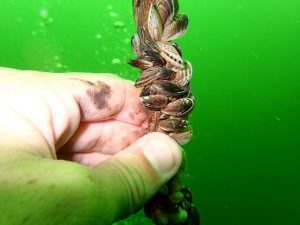
ecosystem so we really want to keep these from spreading into other waters. So there is just a few steps that we need to take to make sure those mussels don’t spread to other waters in Utah.” Boat owners need to clean all the mud, plants, debris and shelled organisms off their boat when they pull it out of the water.
Inspection stations are mandatory and usually open during daylight hours. Bullfrog Marina’s station is located at the Lot D parking lot, Halls Crossing is at the top of the boat ramp and Wahweap’s station is located at the top of the boat ramp and other nearby locations. “Our technicians will kind of go through an inspection with you. They will have you fill out some paperwork and do an interview with you to find out how long you have been at Lake Powell; where your next destination is going to be and how long it will be before you put in at another water and one new rule for this year is that we are asking boaters to pull the drain plugs out of their boats before they take off so while they are traveling all that water can drain out” stated Jacobsen. Utah has required dry times in place, seven days in the summer, 18 days in the fall/spring and 30 days in the winter. Boaters that meet the mandatory dry times will not have to go through such a lengthy inspection on their next visit.
“If you plan on hitting another water before that time, we will put you through a decontamination process, that is free at our station. Basically we just clean your watercraft with hot water. After boating it’s important to clean your boat, drain it all the way and make sure that it’s dry before you put in another water,” said Jacobsen. All boaters that pass through the station will receive a seal attached to their boat and trailer indicating whether they can launch elsewhere immediately or after a dry time. Documentation should be kept until the boater’s next launch as law enforcement personnel may ask for it.
For more information on invasive mussel containment efforts at Lake Powell visit STDofhteSea.com