By Wyatt Boyle | KOAL News
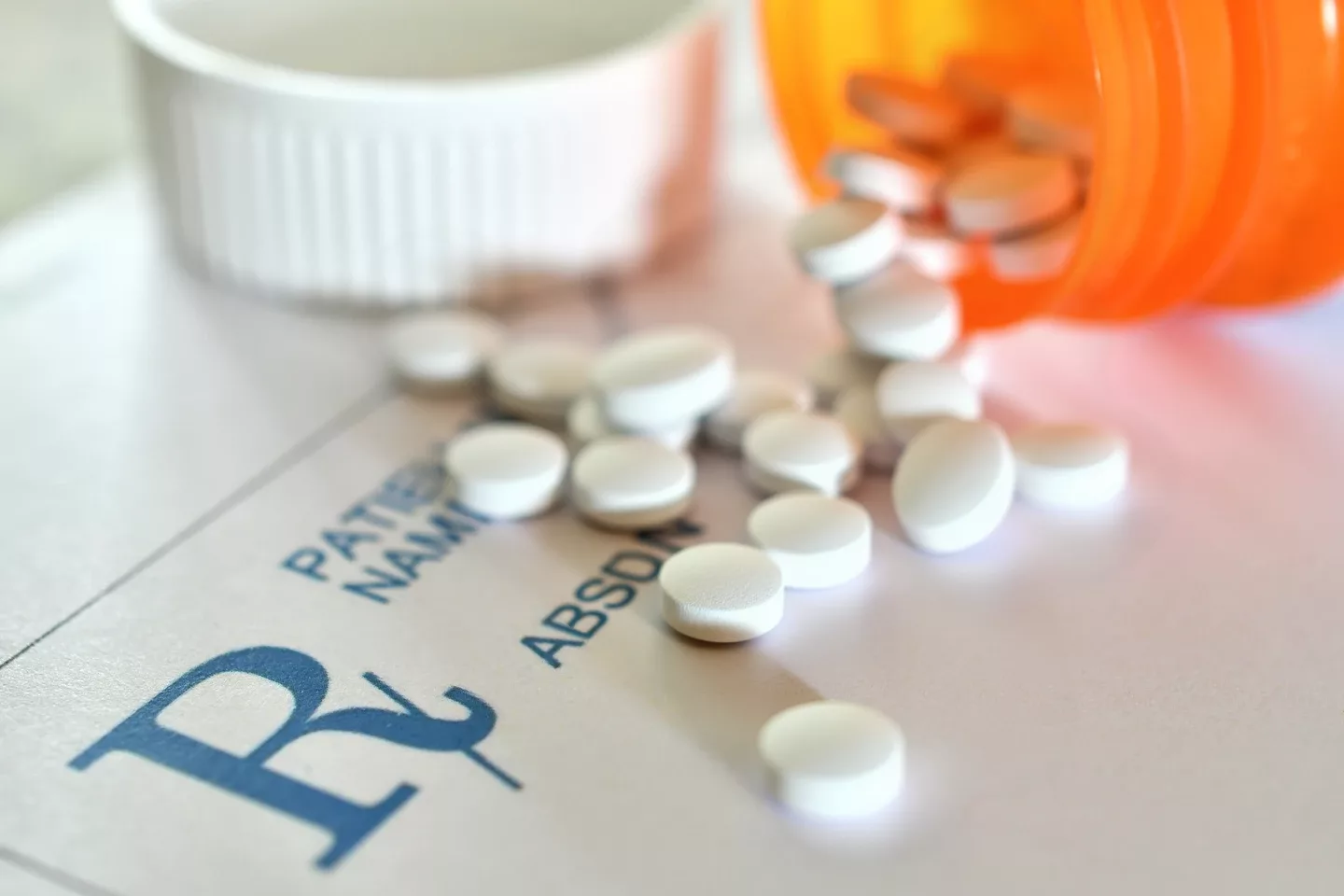
Collecting their dues for the devastating opioid crisis, the state of Utah has joined a multistate agreement requiring Albertsons to pay $773.7 million in reparations. Utah is projected to receive at least $10.7 million from the settlement; the exact amount is still being negotiated.
“Utah families are still living with the devastating consequences of the opioid crisis,” said Attorney General Derek Brown. “Through litigation involving many states, we reached an agreement in principle with Albertsons in a national settlement over its role in fueling the opioid epidemic. We remain committed to pursuing litigation that protects Utah families and delivers meaningful results.”
Alongside Albertsons, Utah has held Mylan Inc, Purdue Pharma, the Sackler family, and several others accountable for their role in the opioid crisis. The state is currently owed over $600 million from other settlements.
“This marks a significant step forward in our commitment to supporting Utah communities impacted by the devastating effects of the opioid crisis,” said Margaret Woolley Busse, Utah Department of Commerce Executive Director. “This settlement with Albertsons not only holds accountable those who contributed to this epidemic but also ensures that vital resources are allocated to address addiction, provide treatment, and ultimately save lives. We stand united in our mission to heal our communities and prevent further tragedies from occurring.”
Albertsons has released a statement in which they absolve themselves of wrongdoing: “Albertsons Cos. believes the settlement framework is in the best interest of all parties. This settlement is not an admission of wrongdoing or liability.”
According to the Utah State Legislature, these funds have been used at the statewide level for programs like USARA, which was recently named Castle Country Radio’s Charity of the Month.
Utah Opioid Priorities, an organization that aims to “assist the state and local communities in utilizing funds that are expected from various opioid litigations and settlements,” finds that 33.2% of this money has been used for opioid recovery treatment. The other primary areas of spending are prevention, with 25.2%, and criminal justice, with 25.1%
For more information on opioid legislation and funds, click here.